

A RICS Level 3 Survey (formerly known as the Building Survey) is the most thorough property survey available. It covers all accessible elements of a property's structure and condition, provides detailed advice on defects and repairs and can be tailored to address any specific concerns you have before the survey takes place.
A RICS Level 3 Survey costs £786 on average and the on-site inspection can take a full day or more for larger or complex properties.
To arrange a survey, call us on or fill in the form below and we will get back to you.
What is a RICS Level 3 Survey?
A RICS Level 3 Survey is carried out by a fully qualified, RICS-accredited surveyor and covers all accessible internal and external elements of the property in depth, including the structure, construction, condition and any defects found, with photographic evidence throughout the report.
Unlike the Level 2 Survey, the Level 3 report is not delivered in a standardised format. It is written specifically for the property being surveyed and can include additional sections covering any questions or concerns you raise with the surveyor beforehand.
The report details each defect found, its cause and the recommended course of action, including an indication of likely repair costs where relevant. This gives you a clear picture of the property's condition and a strong basis for renegotiating the price or deciding not to proceed.
Note that a Level 3 Survey does not include a market valuation as standard. If you require a valuation, this can be added as an optional extra when booking.
You can download a sample Level 3 Survey report to see what to expect.
What properties is a Level 3 Survey suited to?
RICS recommend a Level 3 Survey for any property that meets one or more of the following:
- Built before 1900
- Of unconventional construction such as timber frame, stone, thatch or cob
- A listed building or of historic interest
- Significantly extended or modified
- In poor or uncertain condition
- Where you have specific concerns you want the surveyor to address
If the property is a standard brick-built home built after 1900 and in reasonable condition, a RICS Level 2 Survey is the better option.
What does a RICS Level 3 Survey cover?
When you receive your Level 3 Survey report you can expect it to include:
- A detailed assessment of all accessible internal and external elements of the property
- Description and explanation of all major and minor defects found
- Photographic evidence of defects and areas of concern
- Advice on the cause of each defect and the recommended repair or action
- An indication of likely repair costs where relevant
- Advice for your solicitor on observations that may affect the legal title
- Recommendations on any further specialist investigations needed
- An overall assessment of the property's condition to support your decision on whether to proceed, renegotiate or withdraw

How can a Level 3 Survey help when buying a property?
A Level 3 Survey gives you the most complete picture of a property's condition available before you exchange contracts. In practice this means you can:
- Uncover structural defects, hidden problems and urgent repairs that may not be visible during a viewing
- Use the surveyor's repair cost estimates to renegotiate the asking price
- Budget accurately for the full scope of work the property requires after purchase
- Approach your solicitor with any legal title observations flagged by the surveyor
- Decide with confidence whether to proceed, renegotiate or pull out of the purchase
How much does a RICS Level 3 Survey cost?
A RICS Level 3 Survey costs £786 on average based on our data from 2025 to 2026. The final cost depends on the size, age, condition and location of the property. Older, larger or more complex properties typically cost more to survey due to the additional time required.
For a full breakdown of Level 3 and other survey costs, see our house survey cost guide.
Get in touch about your Level 3 Survey
If you have any questions or want to talk through whether a Level 3 Survey is right for your property, call us on or fill in the form below and we will get back to you.
Frequentlty asked questions about RICS Level 3 Surveys
How long does a Level 3 Survey take?
A Level 3 Survey takes longer than any other survey type. For most properties it will take at least half a day, and for larger, older or more complex properties it can take a full day or more. Your surveyor will confirm the likely duration when you book. The written report is typically delivered within 5 to 7 working days of the inspection.
How much does a Level 3 Survey cost?
A Level 3 Survey costs £786 on average based on our 2025 to 2026 data. Costs vary depending on the size, age and location of the property. See our house survey cost guide for a full breakdown.
What is the difference between a Level 3 Survey and a building survey?
They are the same thing. RICS renamed the Building Survey to the Level 3 Survey in 2021 as part of a wider standardisation of survey naming. The scope, depth and purpose of the survey remain unchanged. It is still the most comprehensive survey available and the one RICS recommend for older, non-standard or heavily modified properties.
What is the difference between a Level 2 and a Level 3 Survey?
A Level 2 Survey covers visible and accessible elements of a standard property and is suited to most homes built after 1900. A Level 3 Survey is more in-depth, covers concealed elements of the structure, is tailored to the individual property and is recommended for older, non-standard or heavily modified homes. See our compare surveys page for a full side-by-side breakdown.
Is a Level 3 Survey worth it?
For older, non-standard or heavily modified properties, yes. A Level 3 Survey is the only survey type that gives you a complete picture of a property's structural condition and repair requirements. The cost of the survey is modest compared to the potential cost of missing a significant structural defect after you have completed the purchase.
Does a Level 3 Survey include a valuation?
Not as standard. A Level 3 Survey focuses on the condition and structure of the property. A market valuation can be added as an optional extra when booking if you require one.
Does a Level 3 Survey check for damp?
Yes. A Level 3 Survey covers all accessible elements of the property and includes a thorough assessment of damp, moisture and any associated damage to the structure. Because the Level 3 goes beyond visible surfaces, it is better placed than a Level 2 to identify the source and extent of damp issues.
Does a Level 3 Survey check electrics?
A Level 3 Survey is a visual inspection and does not include a full electrical test. However, the surveyor will comment on the visible condition of the electrical installation and flag any concerns. Where there are significant concerns, the report may recommend a further inspection by a qualified electrician.
Does a Level 3 Survey check the boiler?
The surveyor will visually inspect the boiler and heating system as part of the Level 3 Survey and note any visible concerns. A full boiler service or gas safety check by a Gas Safe registered engineer would be needed for a comprehensive assessment of the heating system.
What are red flags on a house survey?
Common red flags on a Level 3 Survey include structural movement or subsidence, significant damp or penetrating water, roof defects, defective or outdated wiring, drainage problems and timber decay such as woodworm or rot. Because the Level 3 goes deeper than a Level 2, it is more likely to identify underlying causes rather than just surface symptoms.
Can I use a Level 3 Survey to negotiate a lower price?
Yes. The detailed repair cost estimates in a Level 3 report give you a clear, evidence-based basis for renegotiating the asking price. You can ask the seller to reduce the price by the estimated cost of repairs, carry out the work before completion or a combination of both.
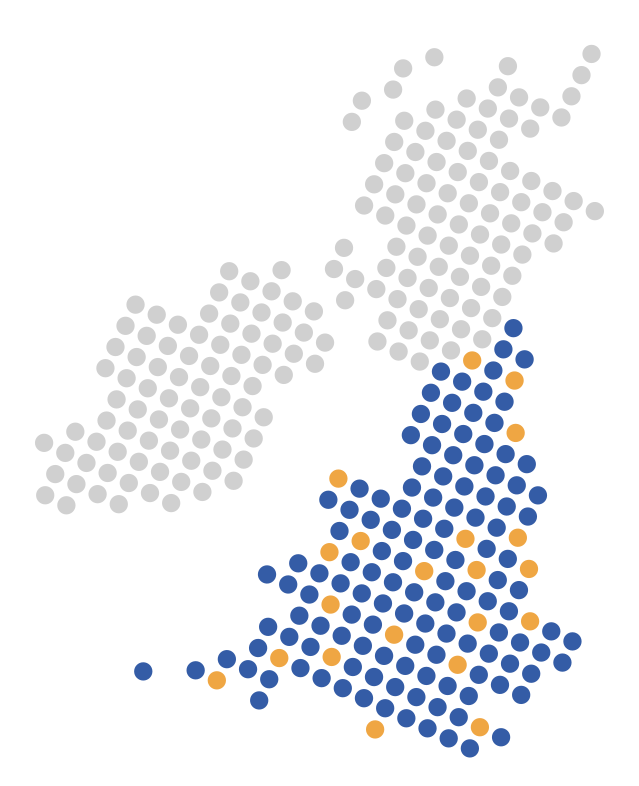
What areas of England and Wales do you cover?
We cover all of England and Wales through our national panel of RICS-accredited surveyors, with local experts working across major cities and regions including London, Birmingham, Manchester, Bristol, Leeds, Cardiff and Liverpool. Find a surveyor in your area or get an instant quote to check availability in your location.